Showing posts with label canoe. Show all posts

Sunday, August 23, 2020

Incredible Canoe Hull Design Ideas

Best canoe hull design Lapstrake boat diy
Best canoe hull design Lapstrake boat diy from shantyboatbuildplans.blogspot.com

Canoe Hull Design: Unlocking the Secrets to Smooth Sailing

Have you ever wondered what makes a canoe glide effortlessly through the water? The answer lies in its hull design. The shape and structure of the canoe's hull play a crucial role in its performance and maneuverability. Whether you're a seasoned paddler or just starting out, understanding the fundamentals of canoe hull design can greatly enhance your experience on the water.

When it comes to canoeing, there are several pain points related to hull design that can impact your overall paddling experience. A poorly designed hull can result in sluggish performance, instability, and difficulty tracking straight. These issues can make your time on the water frustrating and exhausting. By understanding the principles of canoe hull design, you can avoid these pain points and enjoy a smoother ride.

The primary target of canoe hull design is to create a shape that balances stability, speed, and maneuverability. A well-designed hull should be able to cut through the water with little resistance, while also providing enough stability to keep you upright. It should also be responsive to your paddle strokes, allowing you to easily change direction and navigate through different water conditions.

In summary, canoe hull design is the art and science of creating a hull shape that maximizes performance and stability on the water. By optimizing factors such as length, width, rocker, and chine, designers can create a hull that suits specific paddling styles and water conditions.

Canoe Hull Design: A Personal Experience

I remember my first time paddling in a well-designed canoe with a sleek hull. As soon as I pushed off from the shore, I could feel the difference. The canoe glided effortlessly through the water, and I could maintain a steady speed with minimal effort. It was a revelation, and I couldn't help but wonder what made this canoe so special.

Canoe hull design is all about finding the perfect balance between form and function. The shape of the hull determines how the canoe interacts with the water, and ultimately, how it performs. A well-designed hull will have a smooth bottom with a slight curve, known as a rocker, which allows the canoe to pivot easily. It will also have a defined chine, or edge, that provides stability and helps the canoe track straight.

The history and myth surrounding canoe hull design are fascinating. For centuries, indigenous cultures around the world have been building canoes with hull shapes that are perfectly suited to their local waterways. These designs have been passed down from generation to generation, each one incorporating the knowledge and experience of those who came before. Today, modern canoe designers continue to draw inspiration from these traditional designs, combining ancient wisdom with modern materials and techniques.

The Hidden Secret of Canoe Hull Design

The hidden secret of canoe hull design lies in its ability to harness the power of the water. A well-designed hull creates a hydrodynamic lift, allowing the canoe to glide through the water with minimal effort. This lift is created by the shape of the hull, which is carefully crafted to minimize drag and maximize efficiency. By understanding and harnessing this hidden secret, paddlers can experience a whole new level of performance on the water.

Recommendation for Canoe Hull Design

If you're in the market for a new canoe or looking to upgrade your current one, there are a few key factors to consider when it comes to hull design. First and foremost, think about the type of paddling you plan to do. Will you be exploring calm lakes and slow-moving rivers, or tackling whitewater rapids? The answer to this question will help determine the ideal hull shape for your needs.

For calm water paddling, a flat-bottomed hull with a moderate rocker and shallow draft is ideal. This type of hull provides stability and maneuverability, making it perfect for recreational paddling and fishing. On the other hand, if you're planning to tackle whitewater rapids, you'll want a hull with more rocker and a higher chine. This will allow the canoe to pivot quickly and navigate through turbulent water.

Exploring Canoe Hull Design in More Detail

When it comes to canoe hull design, there are several key elements to consider. The length and width of the hull determine its overall stability and capacity. A longer and narrower hull will be faster and more efficient, but also less stable. A wider and shorter hull, on the other hand, will provide more stability and carrying capacity, but may sacrifice speed.

Rocker is another important factor to consider. It refers to the curve of the hull from bow to stern. A hull with more rocker will be more maneuverable and better suited to whitewater paddling, while a hull with less rocker will track straighter and be more efficient for flatwater paddling.

Chine is the point where the hull transitions from the bottom to the sides. A hard chine provides better initial stability, while a soft chine allows for smoother turns. The shape and placement of the chine can greatly influence the canoe's performance and handling.

Tips for Canoe Hull Design

If you're interested in designing your own canoe hull, here are a few tips to keep in mind. First, consider the intended use of the canoe. Will you be using it for recreational paddling, fishing, or racing? The answer to this question will help determine the ideal hull shape and dimensions.

Next, think about the materials you'll be using. Traditional canoes are made from wood, but there are also many options available in fiberglass, Kevlar, and other lightweight materials. Each material has its own unique properties, so be sure to choose one that suits your needs and preferences.

Lastly, don't be afraid to experiment and make adjustments along the way. Canoe hull design is both an art and a science, and there is no one-size-fits-all solution. Take the time to test different hull shapes and designs, and don't be afraid to make changes based on your own personal preferences and experiences.

Fun Facts About Canoe Hull Design

- The oldest known canoe, the Pesse canoe, dates back over 10,000 years and was discovered in the Netherlands. - Canoes were originally used for transportation and hunting by indigenous cultures around the world. - The word "canoe" comes from the Carib word "kenu", which means "dugout". - Canoes can be made from a variety of materials, including wood, fiberglass, and aluminum.

How to Canoe Hull Design

Designing a canoe hull can be a complex process, but with the right tools and knowledge, it is possible to create a functional and efficient design. There are several software programs available that can help with the design process, allowing you to input specific dimensions and parameters to create a custom hull shape.

If you're interested in designing your own canoe hull, it's important to do your research and learn about the principles of hull design. There are many resources available online that can help guide you through the process, including tutorials, forums, and design software.

What If Canoe Hull Design?

Canoe hull design plays a critical role in the overall performance and handling of a canoe. A well-designed hull can make the difference between a smooth, enjoyable paddling experience and a frustrating, exhausting one. By understanding the fundamentals of hull design and considering factors such as length, width, rocker, and chine, you can choose a canoe that is perfectly suited to your needs and preferences.

Listicle of Canoe Hull Design

- The Top 5 Canoe Hull Designs for Whitewater Paddling - 10 Tips for Choosing the Right Canoe Hull Design - The Pros and Cons of Different Canoe Hull Materials - How to Maintain and Care for Your Canoe Hull

Question and Answer

Q: What is the most common material used for canoe hulls?

A: The most common material used for canoe hulls is fiberglass. It is lightweight, durable, and relatively easy to repair.

Q: How does the shape of the hull affect the canoe's performance?

A: The shape of the hull greatly affects the canoe's performance. A hull with more rocker and a defined chine will be more maneuverable, while a hull with less rocker and a softer chine will track straighter and be more efficient for flatwater paddling.

Q: Can I modify the hull shape of an existing canoe?

A: It is possible to modify the hull shape of an existing canoe, but it can be a complex and time-consuming process. It's best to consult with a professional or experienced canoe builder before attempting any modifications.

Q: How often should I clean and maintain my canoe hull?

A: It's important to regularly clean and maintain your canoe hull to ensure its longevity and performance. After each use, rinse the hull with fresh water to remove any debris or saltwater. Additionally, inspect the hull for any damage or wear and make any necessary repairs.

Conclusion of Canoe Hull Design

Canoe hull design is a fascinating and complex subject that plays a crucial role in the performance and handling of a canoe. By understanding the principles of

Incredible Canoe Tacoma References

Diy canoe rack Sailboat mobile diy
Diy canoe rack Sailboat mobile diy from sailboatplanspdf.blogspot.com

Are you looking for an exciting outdoor adventure in Tacoma? Look no further than Canoe Tacoma! Whether you're a local or a tourist, canoeing in Tacoma is a must-do activity. With its beautiful scenery and calm waters, canoeing provides a unique and peaceful way to explore the city.

Many people find themselves longing for a break from the hustle and bustle of city life. Canoeing in Tacoma offers a peaceful escape from the noise and stress of everyday life. It allows you to connect with nature and enjoy the beauty of the outdoors. Plus, it's a great way to get some exercise and unwind.

So, what exactly is Canoe Tacoma? Canoe Tacoma is a company that offers canoe rentals and guided canoe tours in Tacoma. They provide everything you need for a fun and safe canoeing experience, including canoes, paddles, and life jackets. Whether you're a beginner or an experienced paddler, Canoe Tacoma has options for everyone.

In summary, canoeing in Tacoma with Canoe Tacoma is a great way to escape the city and enjoy the beauty of nature. Whether you're looking for a peaceful solo outing or a fun activity with friends and family, Canoe Tacoma has something for everyone. So grab a paddle and get ready to explore the waters of Tacoma!

Canoe Tacoma: A Personal Experience

During my recent trip to Tacoma, I had the opportunity to go canoeing with Canoe Tacoma. It was a beautiful sunny day, and the water was calm and inviting. As I paddled along, I couldn't help but be in awe of the stunning views of the surrounding mountains and the city skyline.

The canoe was comfortable and easy to navigate, even for someone like me who had never been canoeing before. The guide from Canoe Tacoma was knowledgeable and friendly, pointing out interesting landmarks and sharing fascinating stories about the area's history.

As we glided along the water, I felt a sense of peace and tranquility that I hadn't experienced in a long time. The stress and worries of everyday life melted away, and I was able to fully immerse myself in the beauty of nature. It was a truly unforgettable experience.

What is Canoe Tacoma?

Canoe Tacoma is a company that specializes in providing canoe rentals and guided canoe tours in Tacoma. They offer a range of options to suit different preferences and skill levels. Whether you're a beginner or an experienced paddler, Canoe Tacoma has something for everyone.

Their guided canoe tours are a great way to explore Tacoma's waterways while learning about the area's history and wildlife. The knowledgeable guides from Canoe Tacoma will take you to the most scenic spots and provide interesting commentary along the way.

If you prefer to go at your own pace, you can opt for a canoe rental and explore Tacoma's waters on your own. Canoe Tacoma provides all the necessary equipment, including canoes, paddles, and life jackets, so you don't have to worry about a thing.

The History and Myth of Canoe Tacoma

The history of canoeing in Tacoma dates back centuries. The indigenous peoples of the region, such as the Puyallup and Nisqually tribes, used canoes for transportation and fishing. Canoeing was an integral part of their way of life.

Over time, canoeing became a popular recreational activity in Tacoma. People began to appreciate the beauty of the city's waterways and the tranquility that comes with paddling on calm waters. Today, canoeing in Tacoma continues to be a beloved pastime for locals and visitors alike.

As for the myth of Canoe Tacoma, legend has it that there is a mystical canoe that can only be seen by those with a pure heart. It is said that anyone who finds this canoe will be granted a wish. While the existence of this mystical canoe is debated, it adds an air of mystery and enchantment to the canoeing experience in Tacoma.

The Hidden Secrets of Canoe Tacoma

One of the hidden secrets of canoeing in Tacoma is the abundance of wildlife you can encounter along the way. As you paddle through the water, keep an eye out for otters, beavers, and a variety of bird species. The peacefulness of the water allows these creatures to thrive, and spotting them in their natural habitat is a truly magical experience.

Another hidden secret of canoeing in Tacoma is the stunning views you can enjoy from the water. As you glide along, you'll be treated to breathtaking vistas of the city skyline, the surrounding mountains, and the picturesque waterfront. It's a perspective that you simply can't get from land.

Recommendations for Canoe Tacoma

If you're planning to go canoeing in Tacoma, here are a few recommendations to make the most of your experience:

  1. Choose the right time: Canoeing is best enjoyed on calm, sunny days. Check the weather forecast before your trip and plan accordingly.
  2. Wear comfortable clothing: Opt for lightweight and quick-drying clothes that allow for ease of movement. Don't forget to bring a hat, sunglasses, and sunscreen to protect yourself from the sun.
  3. Bring snacks and water: Canoeing can be a workout, so it's important to stay hydrated and fuel up with snacks. Pack some water and energy bars or fruits to keep your energy levels up.
  4. Listen to the guide: If you're on a guided canoe tour, listen carefully to the guide's instructions and follow their lead. They have valuable knowledge and will ensure your safety throughout the trip.

Canoe Tacoma and Environmental Conservation

Canoe Tacoma is committed to environmental conservation and sustainability. They actively promote responsible paddling practices and educate their customers about the importance of preserving the natural beauty of Tacoma's waterways.

They encourage their customers to follow the principles of Leave No Trace, which include disposing of waste properly, respecting wildlife, and minimizing campfire impacts. By practicing these principles, we can ensure that future generations can continue to enjoy the beauty of canoeing in Tacoma.

Tips for Canoe Tacoma

Here are a few tips to enhance your canoeing experience in Tacoma:

  • Start with a short trip: If you're new to canoeing, start with a short trip to get a feel for it. Once you're comfortable, you can gradually increase the duration and difficulty of your trips.
  • Learn basic paddling techniques: Familiarize yourself with basic paddling techniques, such as the forward stroke, backward stroke, and turning strokes. This will help you navigate the water more efficiently.
  • Take breaks: Don't forget to take breaks and enjoy the scenery. Find a quiet spot to relax, have a snack, and take in the beauty of your surroundings.
  • Bring a waterproof bag: To protect your belongings from getting wet, bring a waterproof bag to store your phone, camera, and other valuables.

Canoe Tacoma FAQs

Q: Is canoeing in Tacoma suitable for beginners?

A: Yes, canoeing in Tacoma is suitable for beginners. Canoe Tacoma offers options for all skill levels, and their guides are experienced in working with beginners.

Q: How long does a guided canoe tour with Canoe Tacoma typically last?

A: A guided canoe tour with Canoe Tacoma typically lasts around 2-3 hours, depending on the route and the pace of the group.

Q: Can I bring my own canoe for a rental with Canoe Tacoma?

A: Yes, you can bring your own canoe for a rental with Canoe Tacoma. However, they still require you to use their paddles and life jackets for safety reasons.

Q: Can I bring my dog on a canoe trip with Canoe Tacoma?

A: Yes, Canoe Tacoma allows well-behaved dogs on their canoe trips. However, they require dogs to wear a life jacket for their safety.

Conclusion of Canoe Tacoma

In conclusion, canoeing in Tacoma with Canoe Tacoma is a fantastic way to connect with nature, enjoy stunning views, and experience a sense of peace and tranquility. Whether you're a beginner or an experienced paddler, Canoe Tacoma has options for everyone. So grab a paddle and get ready for an unforgettable adventure in Tacoma!

Saturday, August 22, 2020

+29 Canoe Kansas 2023

MR340 race. Missouri river, Kansas city missouri
MR340 race. Missouri river, Kansas city missouri from www.pinterest.com

Canoeing in Kansas offers a unique outdoor experience that combines adventure, relaxation, and the beauty of nature. Whether you're an experienced paddler or a beginner looking to try something new, canoeing in Kansas has something to offer for everyone. From calm rivers and lakes to challenging whitewater rapids, there are plenty of options to choose from. So, grab your paddle and get ready to explore the wonders of canoeing in Kansas!

One of the main pain points for canoeing in Kansas is the lack of awareness about the available options and locations. Many people may not even know that Kansas has great rivers and lakes for canoeing. Additionally, some may be concerned about safety or accessibility issues. However, with the right information and preparation, these pain points can be easily addressed.

The target of canoeing in Kansas is to provide an opportunity for people to connect with nature, enjoy outdoor activities, and experience the thrill of paddling through different waterways. It offers a chance to explore the state's diverse landscapes, observe wildlife, and create lasting memories with friends and family.

In summary, canoeing in Kansas is a wonderful outdoor activity that allows people to connect with nature, enjoy the thrill of paddling, and create lasting memories. By addressing common pain points and providing the necessary information, more people can discover the beauty and excitement that canoeing in Kansas has to offer.

Canoe Kansas: A Personal Experience

I recently had the opportunity to go canoeing in Kansas, and it was an incredible experience. We started our journey on the Arkansas River, which provided a scenic backdrop of rolling hills and abundant wildlife. The calm waters allowed us to paddle at a leisurely pace, taking in the beauty of our surroundings.

As we continued our journey, we encountered a few mild rapids that added an element of excitement to our trip. The rush of adrenaline as we navigated through the rapids was exhilarating, and it made me appreciate the skill and technique required for whitewater paddling. It was a great way to challenge ourselves and have fun at the same time.

Throughout the trip, we also had the chance to spot various bird species, including herons, eagles, and ducks. The peacefulness of the river allowed us to observe these beautiful creatures in their natural habitat, which was a truly awe-inspiring experience.

Canoeing in Kansas offers not only a thrilling adventure but also a chance to connect with nature and create lasting memories. Whether you're a seasoned paddler or a beginner, there are options available for all skill levels. So, if you're looking for a unique outdoor experience, I highly recommend giving canoeing in Kansas a try.

What is Canoe Kansas?

Canoe Kansas is a program that promotes and facilitates canoeing in the state of Kansas. It aims to raise awareness about the various rivers and lakes in Kansas that are suitable for canoeing, as well as provide resources and information to help people plan their canoeing trips. The program also focuses on promoting safety and responsible paddling practices.

Canoe Kansas offers a wide range of options for canoeing enthusiasts, from calm rivers and lakes to challenging whitewater rapids. It caters to all skill levels, whether you're a beginner looking for a leisurely paddle or an experienced paddler seeking an adrenaline rush. The program provides maps, guides, and information about access points, camping sites, and other amenities to make planning your canoeing trip easier.

By promoting canoeing in Kansas, the program aims to encourage people to explore the state's natural beauty, connect with nature, and enjoy the many benefits of outdoor recreation. It also highlights the economic and environmental importance of preserving and protecting Kansas' waterways.

The History and Myth of Canoe Kansas

Canoeing has a long history in Kansas, dating back to the Native American tribes who used canoes for transportation and fishing. The rivers and lakes in Kansas provided a vital source of water and food for these tribes, and canoes played a crucial role in their daily lives.

In addition to its historical significance, canoeing in Kansas also has its fair share of myths and legends. One popular myth is the story of a ghostly canoe that is said to appear on certain nights on the Kansas River. According to local folklore, the ghostly canoe is believed to be the spirit of a Native American chief who lost his life in a battle centuries ago. While the existence of this ghostly canoe remains unconfirmed, it adds an air of mystery and intrigue to the experience of canoeing in Kansas.

Whether you're interested in the historical aspects or the mythical tales, canoeing in Kansas offers a unique opportunity to connect with the past and immerse yourself in the rich culture of the state.

The Hidden Secrets of Canoe Kansas

While canoeing in Kansas may not be as well-known as other outdoor activities, it offers a hidden gem for those willing to explore. One of the hidden secrets of canoeing in Kansas is the abundance of wildlife that can be observed along the waterways. From majestic bald eagles to playful otters, there is always something fascinating to see while paddling through the rivers and lakes of Kansas.

In addition to the wildlife, canoeing in Kansas also provides a unique perspective of the state's landscapes. From the rugged beauty of the Flint Hills to the serene tranquility of the Kansas River, each waterway offers its own distinct charm and beauty. Exploring these hidden gems allows you to see a side of Kansas that is often overlooked.

So, if you're looking for an off-the-beaten-path adventure and want to experience the hidden secrets of Kansas, grab a canoe and start exploring!

Recommendations for Canoe Kansas

If you're considering canoeing in Kansas, here are a few recommendations to make the most of your experience:

  • Research the rivers and lakes in Kansas that are suitable for canoeing and choose one that matches your skill level and preferences.
  • Check the weather and river conditions before your trip to ensure a safe and enjoyable experience.
  • Pack essential gear such as a life jacket, paddles, and a dry bag to protect your belongings.
  • Plan your route and familiarize yourself with access points, camping sites, and other amenities along the way.
  • Respect the environment and practice Leave No Trace principles by properly disposing of trash and minimizing your impact on the natural surroundings.

By following these recommendations, you can have a memorable and enjoyable canoeing experience in Kansas.

Canoe Kansas and Environmental Conservation

Canoeing in Kansas not only provides a great outdoor experience but also promotes environmental conservation. By exploring the state's waterways, canoeists can develop a deeper appreciation for the natural beauty of Kansas and become advocates for its preservation.

Canoeing allows individuals to witness firsthand the impact of human activities on water quality and ecosystem health. This awareness can inspire canoeists to take action to protect and restore these valuable resources. By participating in river cleanups, supporting conservation organizations, and practicing responsible paddling, canoeists can contribute to the conservation efforts in Kansas.

Moreover, canoeing in Kansas can also serve as an educational tool to raise awareness about the importance of environmental conservation. By sharing their experiences and photos, canoeists can inspire others to appreciate and protect the state's waterways.

Tips for Canoeing in Kansas

Here are some tips to help you make the most of your canoeing experience in Kansas:

  • Choose the right canoe for your skill level and the type of water you'll be paddling on.
  • Practice your paddling technique before your trip to build confidence and improve efficiency.
  • Bring a waterproof map and compass to navigate through unfamiliar waterways.
  • Wear appropriate clothing and footwear for the weather and water conditions.
  • Stay hydrated and pack snacks to keep your energy levels up during long paddling sessions.
  • Always wear a life jacket and practice water safety guidelines.
  • Respect private property and obtain proper permissions if necessary.
  • Leave the waterway cleaner than you found it by picking up any trash you come across.

By following these tips, you can have a safe and enjoyable canoeing experience in Kansas.

Canoe Kansas: Frequently Asked Questions

Q: Can I rent a canoe in Kansas?

A: Yes, there are several outfitters and rental companies in Kansas that offer canoe rentals. They provide all the necessary equipment and can even arrange transportation to and from the waterway.

Q: Do I need any prior experience to go canoeing in Kansas?

A: No, canoeing in Kansas is suitable for all skill levels. Whether you're a beginner or an experienced paddler, there are options available for everyone. It's always a good idea to start with calm waters and gradually work your way up to more challenging routes.

Q: Are there any age restrictions for canoeing in Kansas?

A: Age restrictions may vary depending on the outfitter or

Friday, August 21, 2020

+29 Blue Canoe Tupelo Mississippi Ideas

OUR FOOD Blue Canoe Tupelo, MS
OUR FOOD Blue Canoe Tupelo, MS from www.bluecanoebar.com

If you're looking for a unique dining experience in Tupelo, Mississippi, then look no further than Blue Canoe. This hidden gem offers a cozy and welcoming atmosphere, delicious food, and a wide selection of craft beers. Whether you're a local looking for a new favorite spot or a visitor wanting to try something different, Blue Canoe is sure to satisfy your cravings. Blue Canoe understands the pain points of its customers and strives to provide a solution. The restaurant offers a diverse menu with options for everyone, including vegetarian and gluten-free choices. The staff is knowledgeable and friendly, ensuring that each guest has a memorable dining experience. One of the main targets of Blue Canoe is to provide a laid-back and enjoyable dining experience. From the moment you walk through the door, you'll feel at ease in the cozy atmosphere. The rustic decor and live music create a warm and inviting ambiance that will make you want to stay for hours. In summary, Blue Canoe Tupelo, Mississippi, is a must-visit destination for food and beer lovers. With its welcoming atmosphere, diverse menu, and commitment to customer satisfaction, it's no wonder that Blue Canoe has become a local favorite. Whether you're in the mood for a juicy burger, fresh seafood, or a tasty vegetarian dish, Blue Canoe has something for everyone.

Blue Canoe Tupelo Mississippi: A Personal Experience

During my recent visit to Tupelo, Mississippi, I had the pleasure of dining at Blue Canoe. From the moment I stepped inside, I was greeted with a warm smile and a friendly hello. The rustic decor and live music created a relaxed and inviting atmosphere that instantly made me feel at home. I started my meal with an order of the famous "Canoe Nachos," topped with pulled pork and a tangy BBQ sauce. The combination of flavors was out of this world, and the portion was generous enough to share with my dining companions. For my main course, I opted for the "Blackened Catfish," served with a side of creamy coleslaw and crispy fries. The catfish was perfectly cooked, with just the right amount of spice, and the sides complemented it perfectly. The history and myth of Blue Canoe Tupelo, Mississippi, are as intriguing as the food itself. The restaurant is located in a historic building that once housed a canning factory. The owners have lovingly restored the space, preserving its unique character and charm. The myth of the Blue Canoe refers to an old legend of a mysterious blue canoe that is said to have floated down the nearby river. One of the hidden secrets of Blue Canoe is their extensive beer selection. They offer a rotating tap list featuring a variety of craft beers from local and regional breweries. Whether you're a beer connoisseur or just looking to try something new, Blue Canoe has you covered. The staff is knowledgeable and can recommend the perfect brew to pair with your meal. If you're planning a visit to Blue Canoe, I highly recommend making a reservation. The restaurant can get quite busy, especially on weekends, so it's best to secure your spot ahead of time. The staff is always happy to accommodate special requests or dietary restrictions, so don't hesitate to let them know if you have any specific needs. In conclusion, Blue Canoe Tupelo, Mississippi, is a hidden gem that offers a unique dining experience. From the cozy atmosphere to the delicious food and extensive beer selection, there's something for everyone to enjoy. Whether you're a local or just passing through, be sure to add Blue Canoe to your list of must-visit destinations. You won't be disappointed!

List Of Average Size Of A Canoe Ideas

How Long are Canoes? 37 Examples of Size Canoes Come In Paddle Camp
How Long are Canoes? 37 Examples of Size Canoes Come In Paddle Camp from paddlecamp.com

Canoeing is a popular outdoor activity that people of all ages enjoy. Whether you're gliding through calm waters or navigating rapids, there's something exhilarating about being in a canoe. One of the most common questions that people have when it comes to canoes is the average size. In this article, we'll explore the average size of a canoe and provide some additional information about this versatile watercraft. When it comes to pain points related to the average size of a canoe, there are a few things to consider. One common concern is whether a canoe will be able to accommodate the number of people or gear that you plan to bring along. Another pain point is the weight of the canoe and how easy it will be to transport and maneuver. These are all valid concerns, and understanding the average size of a canoe can help address them. So, what is the average size of a canoe? On average, canoes are about 15 to 17 feet long. They typically have a width of 35 to 40 inches, and a depth of 13 to 15 inches. These dimensions can vary slightly depending on the specific make and model of the canoe, as well as its intended use. In summary, the average size of a canoe is approximately 15 to 17 feet long, 35 to 40 inches wide, and 13 to 15 inches deep. Canoes come in a variety of sizes and styles, so it's important to choose one that suits your needs and preferences. Whether you're planning a leisurely paddle on a calm lake or an adventurous journey down a river, there's a canoe out there that's just right for you.

Exploring the Average Size of a Canoe

When it comes to the average size of a canoe, there are a few key factors to consider. First and foremost, it's important to choose a canoe that is the right size for your needs. If you're planning on paddling solo or with a partner, a smaller canoe may be sufficient. However, if you're planning on bringing along a lot of gear or additional passengers, you'll want to opt for a larger canoe. I remember the first time I went canoeing with my friends. We rented a canoe that was the perfect size for the three of us and all of our gear. We spent the day exploring a beautiful lake, taking in the sights and sounds of nature. The canoe was stable and easy to maneuver, and we had a fantastic time. It was a great way to escape the hustle and bustle of everyday life and connect with nature. The average size of a canoe is important for a few reasons. First, it determines how many people and how much gear the canoe can safely accommodate. If you're planning on bringing along a lot of gear or additional passengers, it's important to choose a canoe that is large enough to accommodate everyone comfortably. Additionally, the size of the canoe can affect its stability and maneuverability. A larger canoe may be more stable, but it may be more difficult to maneuver in tight spaces.

The History and Myth of Average Size of a Canoe

The history of canoes dates back thousands of years. They have been used by indigenous peoples around the world for transportation, fishing, and hunting. The design of canoes has evolved over time, but the basic concept remains the same. Canoes are typically made from materials such as wood, fiberglass, or aluminum, and they are designed to be lightweight and easy to maneuver. In many indigenous cultures, canoes hold a special significance. They are often seen as a symbol of unity and cooperation, as they require multiple people to paddle together in order to move forward. Canoes are also associated with adventure and exploration, as they have been used for centuries to navigate rivers, lakes, and oceans. There are also many myths and legends surrounding canoes. In some cultures, it is believed that canoes have magical powers and can protect their occupants from harm. In others, canoes are associated with spirits and are used in spiritual ceremonies and rituals.

The Hidden Secret of Average Size of a Canoe

While the average size of a canoe is important to consider, there is a hidden secret that many people overlook. Canoes are incredibly versatile watercraft that can be customized and modified to suit your needs. Whether you're looking to go on a solo adventure or embark on a family camping trip, there's a canoe out there that can meet your needs. One of the hidden secrets of canoes is their ability to be modified with different accessories and additions. For example, you can add a motor mount to your canoe to turn it into a motorized vessel. You can also add storage compartments or fishing rod holders to make it more practical for your specific needs. The possibilities are endless, and with a little creativity, you can transform your canoe into the perfect watercraft for any adventure.

Recommendation for Average Size of a Canoe

If you're in the market for a canoe, there are a few recommendations to keep in mind. First and foremost, consider the size and weight of the canoe. Make sure that it is the right size for your needs and that you will be able to transport and maneuver it easily. Additionally, consider the material that the canoe is made from. Wooden canoes can be beautiful and traditional, but they require more maintenance than canoes made from fiberglass or aluminum. Finally, consider the intended use of the canoe. If you're planning on using it primarily for leisurely paddling on calm lakes, a recreational canoe may be sufficient. However, if you're planning on navigating rapids or embarking on multi-day trips, you may want to consider a more specialized canoe.

Exploring the Average Size of a Canoe and Related Keywords

When it comes to the average size of a canoe, there are a few additional factors to consider. These include the weight capacity of the canoe, the number of seats available, and the overall design and construction of the canoe. It's also worth noting that the size of the canoe can affect its stability and maneuverability. A larger canoe may be more stable, but it may be more difficult to maneuver in tight spaces. On the other hand, a smaller canoe may be more agile, but it may not be as stable in rough waters. Ultimately, it's important to choose a canoe that is the right size for your needs and preferences.

Tips for Average Size of a Canoe

If you're new to canoeing, there are a few tips to keep in mind when it comes to the average size of a canoe. First, it's important to choose a canoe that is the right size for your needs. Consider how many people and how much gear you plan to bring along, and choose a canoe that can accommodate everyone comfortably. Additionally, it's important to consider the weight of the canoe and how easy it will be to transport and maneuver. Finally, don't be afraid to experiment and try different canoes to find the one that is the perfect fit for you.

Conclusion of Average Size of a Canoe

In conclusion, the average size of a canoe is approximately 15 to 17 feet long, 35 to 40 inches wide, and 13 to 15 inches deep. Canoes come in a variety of sizes and styles, so it's important to choose one that suits your needs and preferences. Whether you're planning a leisurely paddle on a calm lake or an adventurous journey down a river, there's a canoe out there that's just right for you. So grab a paddle and get ready to embark on your next canoeing adventure!

The best moisturizers for mature skin, according to dermatologists

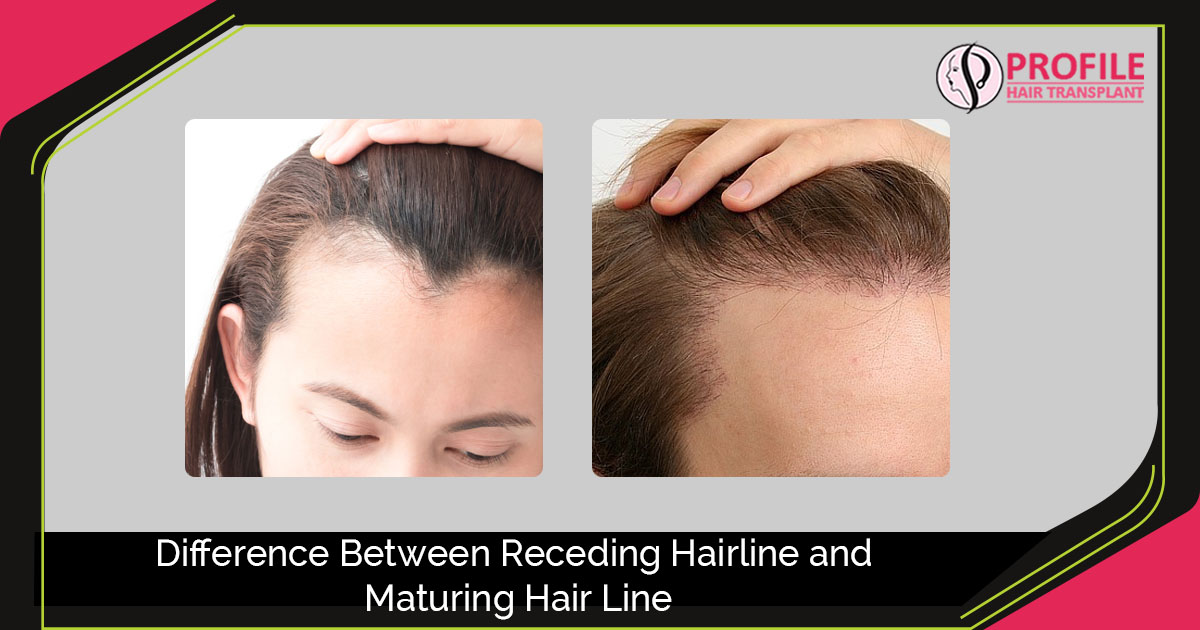
Table Of Content When Does a Mature FAQs About Mature Hairline Balding Versus Mature Hairline: What’s the Difference? selectRepairing your s...